Lab-Grown vs Natural Diamonds: The Honest Difference
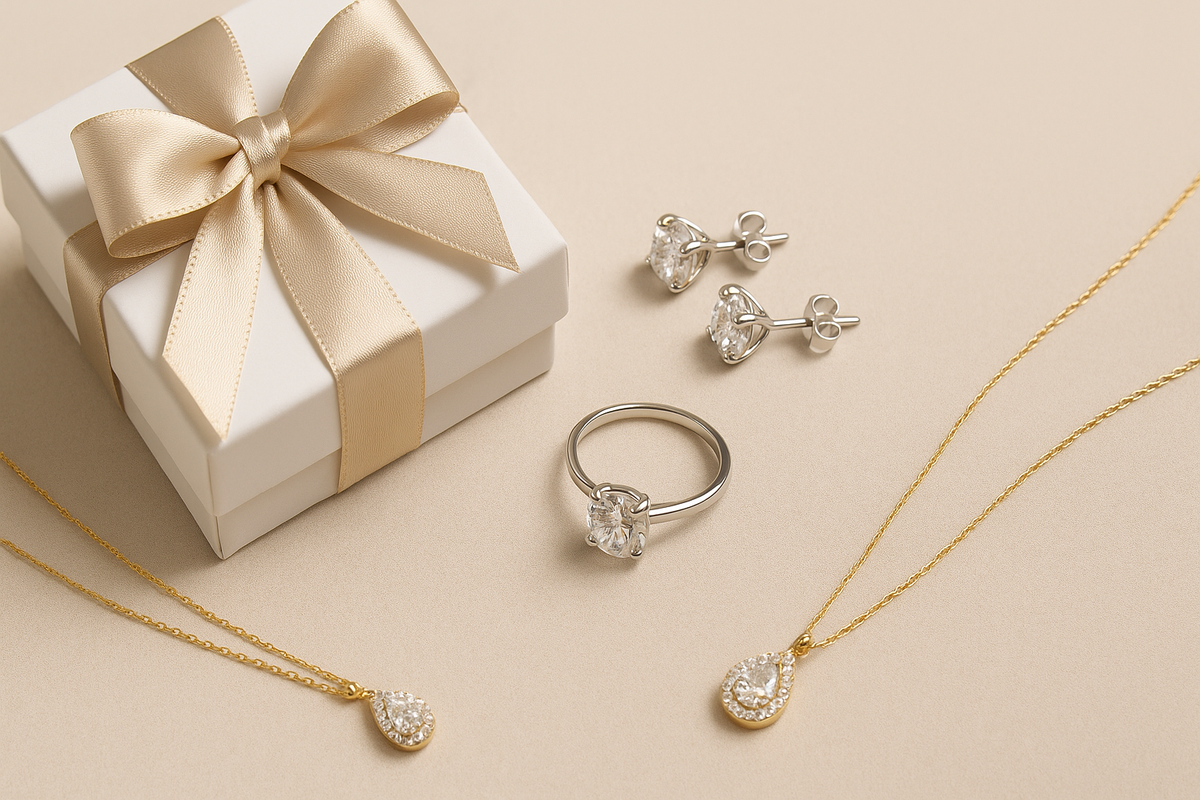
If you are shopping for a diamond ring or a pair of earrings, one question comes up sooner or later: natural or lab-grown? A few years ago most people had barely heard of lab-grown diamonds. Now they sit alongside natural stones in jewellers' windows, and the choice can feel more complicated than it needs to be.
Here is a plain guide to what actually differs, what doesn't, and how to decide which is right for you.
Are lab-grown diamonds real diamonds?
Yes. A lab-grown diamond is made of exactly the same material as a natural diamond: pure carbon, arranged in the same crystal structure. It has the same hardness, handles light in the same way and is just as durable for everyday wear. It is not a simulant like cubic zirconia or moissanite, which are different materials that only resemble diamond.
The real difference is origin. A natural diamond formed deep underground over hundreds of millions of years, often far longer. A lab-grown diamond is grown above ground in a matter of weeks, using technology that recreates those conditions.
Can you tell them apart?
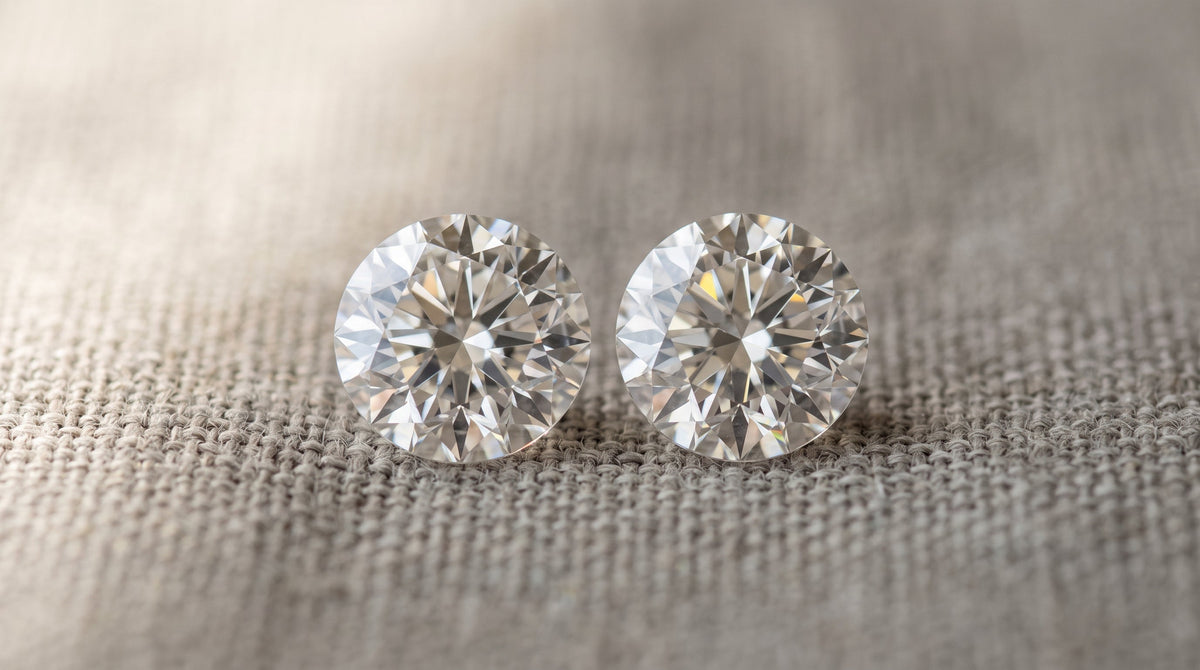
Not by eye. Even a trained jeweller with a loupe cannot reliably tell a lab-grown diamond from a natural one. Separating them takes specialist laboratory equipment that picks up growth patterns and trace elements invisible to the naked eye.
That is exactly why honest labelling matters. A reputable jeweller will always tell you, in writing, which you are buying. Larger graded lab-grown stones are often laser-inscribed on the edge as well, a tiny marking you need magnification to see.
How lab-grown diamonds are made
There are two main methods. HPHT (high pressure, high temperature) subjects carbon to conditions similar to those deep in the earth. CVD (chemical vapour deposition) builds a diamond up layer by layer from a carbon-rich gas. Both produce real diamond, and both are graded in the same way once cut and polished. You don't need to choose between the methods; the quality grades matter far more.
Price: where the difference really shows
This is the biggest practical difference. A lab-grown diamond typically costs a fraction of a natural diamond of the same size and quality. For many buyers, that means a larger centre stone, a better colour or clarity grade, or more of the budget spent on the setting.
Natural diamonds are rarer, and their price reflects it. In pounds, the gap grows quickly with size: modest on a small accent stone, substantial at one carat and above. If you are weighing size against budget, our diamond carat guide explains how weight and price relate.
Value over time
Natural diamonds have a long record of holding part of their value, especially larger, better-graded stones. You should not expect to sell any diamond for what you paid at retail, but a natural stone will usually have a resale market.
Lab-grown diamonds are different. Production costs have fallen steadily, and prices with them, so there is very little resale market for lab-grown stones. If you think of your ring as something to wear and enjoy, that may not matter at all. If you see it as an heirloom with lasting financial value, it is worth weighing up.
Ethics and the environment
Neither option is automatically the more ethical one. Lab-grown diamonds avoid mining, which appeals to many buyers. Growing them takes a great deal of energy, though, so their footprint depends on how that energy is produced. Responsibly sourced natural diamonds support jobs and communities in producing countries, and the Kimberley Process exists to keep conflict diamonds out of the trade.
Our natural diamonds are conflict-free and our gemstones are ethically sourced. Whichever you choose, it is reasonable to ask any jeweller where their stones come from.
Grading and certification
Both types are graded on the same four Cs: cut, colour, clarity and carat. A G colour, SI clarity stone is graded to the same standard whether it was mined or grown, and a grading report for a lab-grown diamond states clearly that it is laboratory-grown. Our guide to understanding diamonds walks through each of the four Cs.
Most of our diamonds sit in the D to H colour range with VS to SI clarity. On request, we can arrange an independent WGI grading report: free for diamond pieces over £500 and £25 below that, with no delay to delivery. Our diamond certification guide explains what a report tells you.
Which should you choose?
Lab-grown may suit you if:
- you want the largest or highest-graded stone your budget allows
- you plan to keep the piece rather than ever sell it
- you would rather spend more on the design, the metal or side stones
Natural may suit you if:
- you value rarity and a stone formed over millions of years
- you would like the piece to hold some value over time
- you hope to pass it down as an heirloom
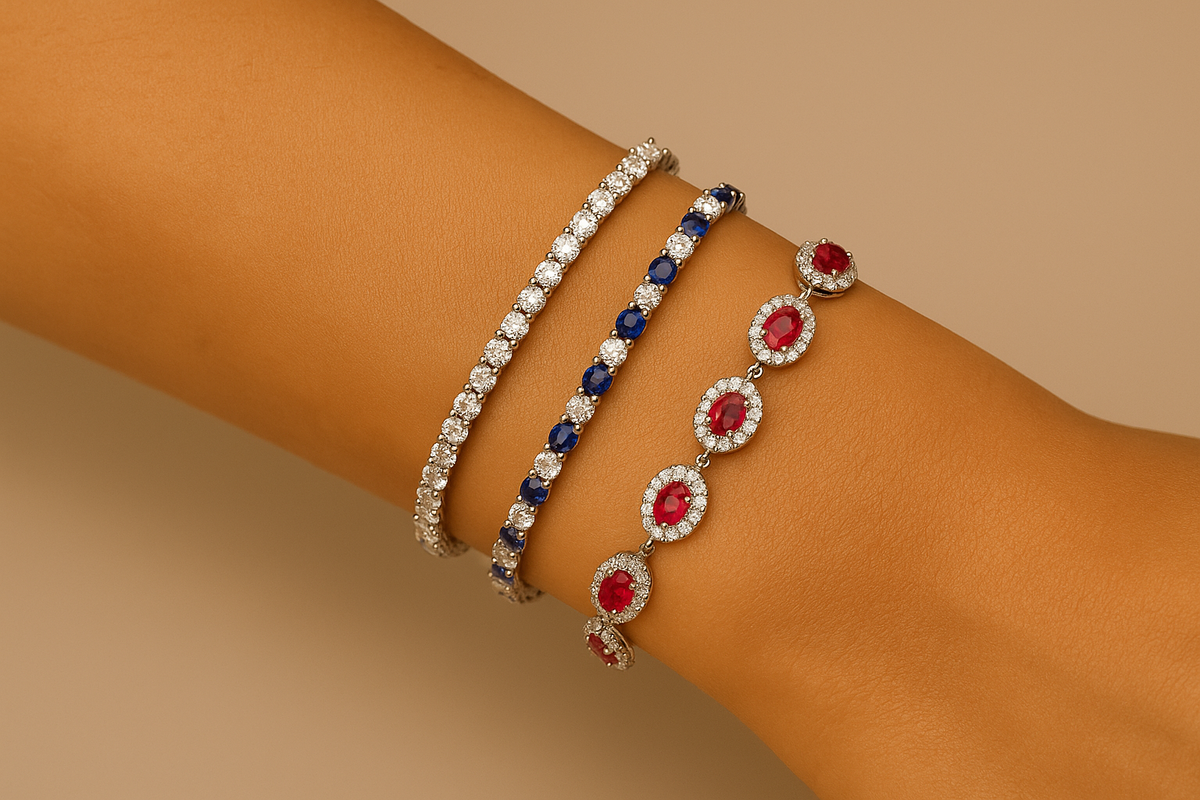
There is no wrong answer. Plenty of people choose a natural diamond for an engagement ring and lab-grown for everyday pieces such as earrings or a tennis bracelet, or the other way round.
The Real Gem tip: Decide on the look first, then the origin. Choose the shape, setting and rough size you love, then compare natural and lab-grown at the same colour and clarity grade. Comparing like with like shows you the true price difference.
How we label our diamonds
Every product on our site states whether its diamonds are natural or lab-grown, so you always know exactly what you are buying. We set our stones in 18k gold and platinum 950 as standard, and every gold and platinum piece is UK hallmarked.
Browse our diamond jewellery to compare pieces side by side. If you would like to talk through natural and lab-grown for a particular design, book a free, no-obligation consultation and we will help you compare.