
Diamond Colour Guide
Understanding the Spectrum of Brilliance
Diamond colour describes the natural tint in a diamond, or more accurately, how colourless it is. Even a slight hint of yellow or brown can affect a diamond’s beauty and value.
The most prized diamonds are colourless, but near-colourless stones can look almost identical for noticeably less. The right grade comes down to personal preference, budget and how the diamond is set.
The Diamond Colour Scale
The GIA (Gemological Institute of America) grades diamonds on a D to Z scale:
| Grade | Description | Visible colour |
|---|---|---|
| D–F | Colourless | Exceptionally clear |
| G–H | Near colourless | Appears white to most eyes |
| I–J | Faint tint | Slight warmth, visible in some lights |
| K–Z | Noticeable tint | More visible yellow or brown tones |
The Real Gem tip: G–H diamonds are a customer favourite, giving a bright, white look at excellent value.
How Setting Affects Colour
The metal you choose changes how colour appears:
- White gold or platinum: pairs best with D–H diamonds, as it shows any hint of colour.
- Yellow or rose gold: more forgiving. Even I–J diamonds can look bright against the warm metal.
Good to know: a slightly tinted diamond can still sparkle beautifully, especially in a warm-toned setting.
Our Diamonds
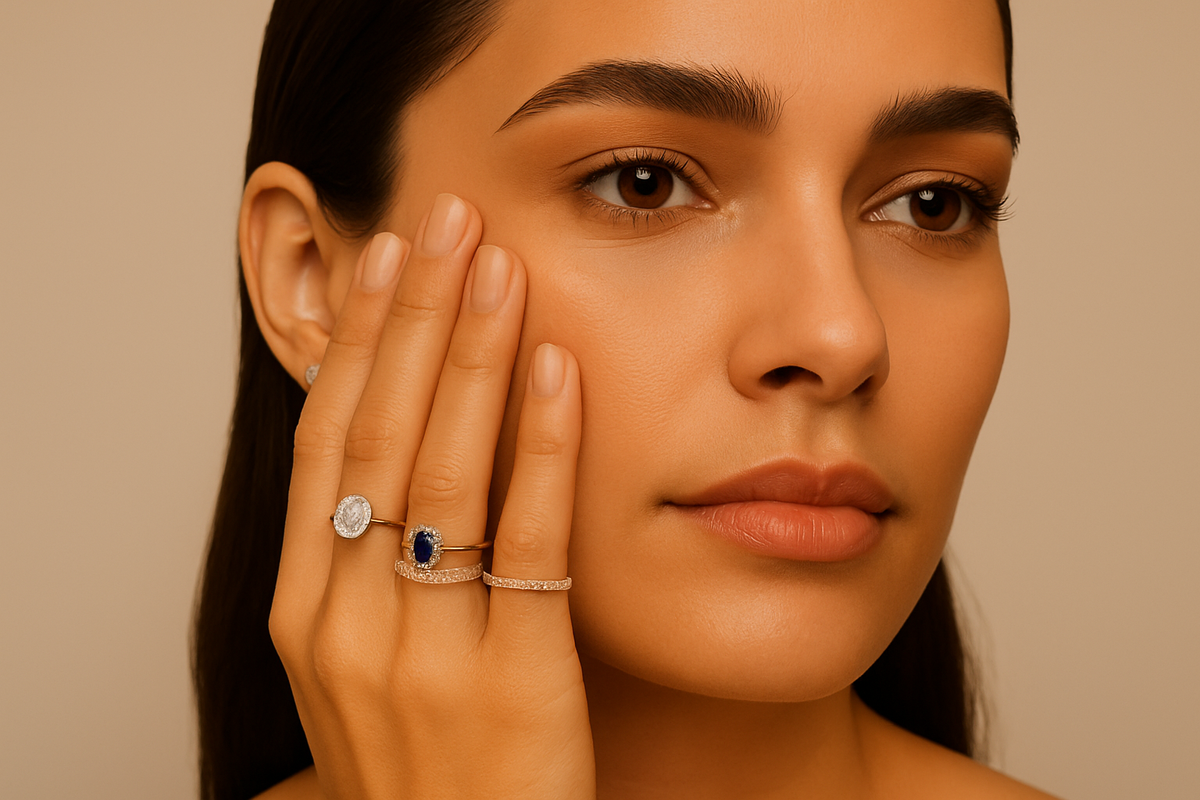
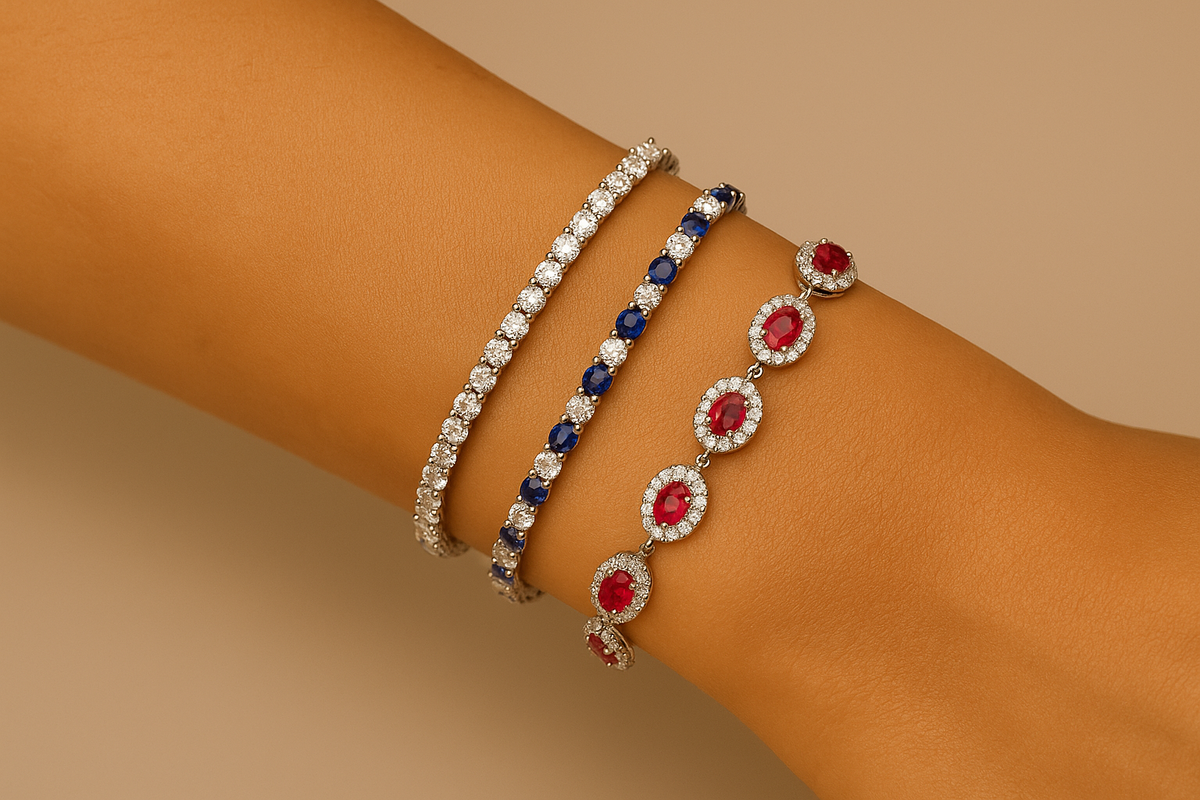
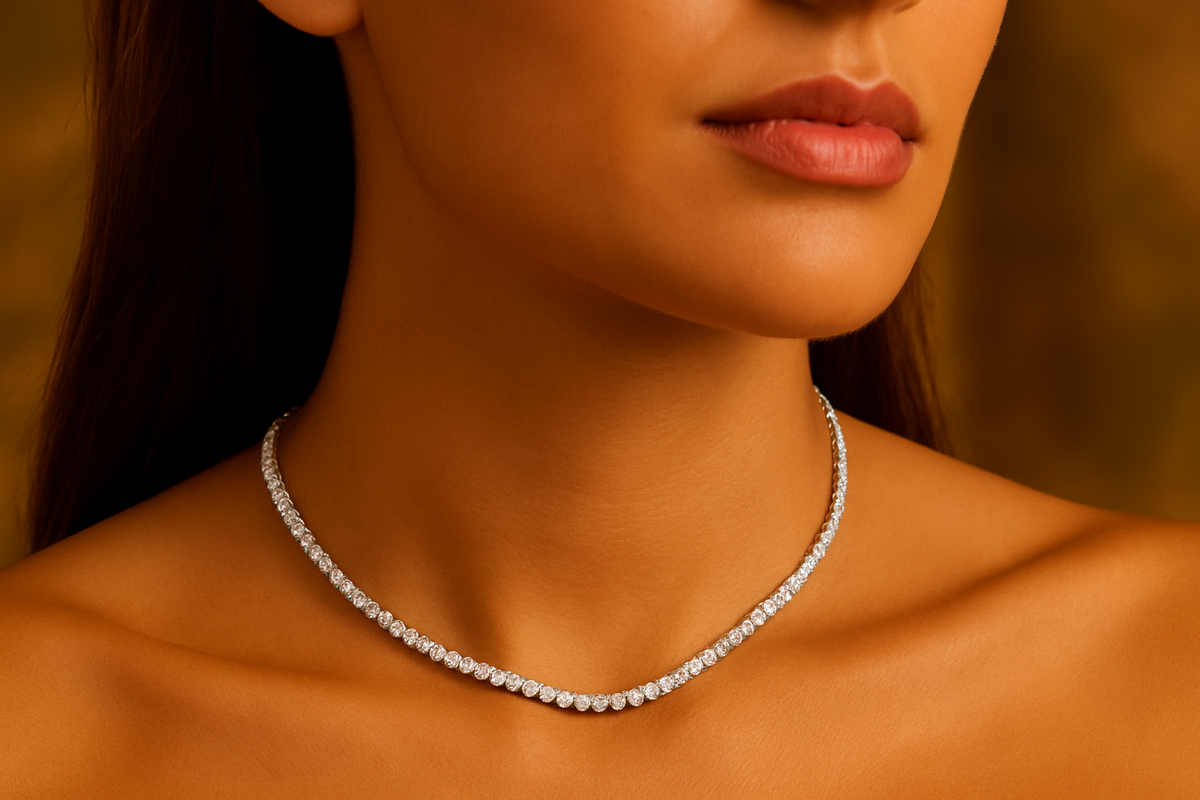
We offer both natural and lab-grown diamonds, always clearly labelled on each product. Most of our diamonds are in the D–H range, for a clean, bright look whether you choose a solitaire, halo or pavé setting.
How Colour Affects Price
One colour grade can make a real difference to price, even when it’s barely visible to the naked eye. Choosing a G or H instead of a D lowers the cost while keeping the same elegant look.
The Real Gem tip: balance colour with cut and clarity to get the best overall sparkle for your budget.
Need Personal Advice?
Choosing the right diamond colour is a personal decision. If you’d like guidance, we’re happy to help, from choosing a setting to understanding colour grades.